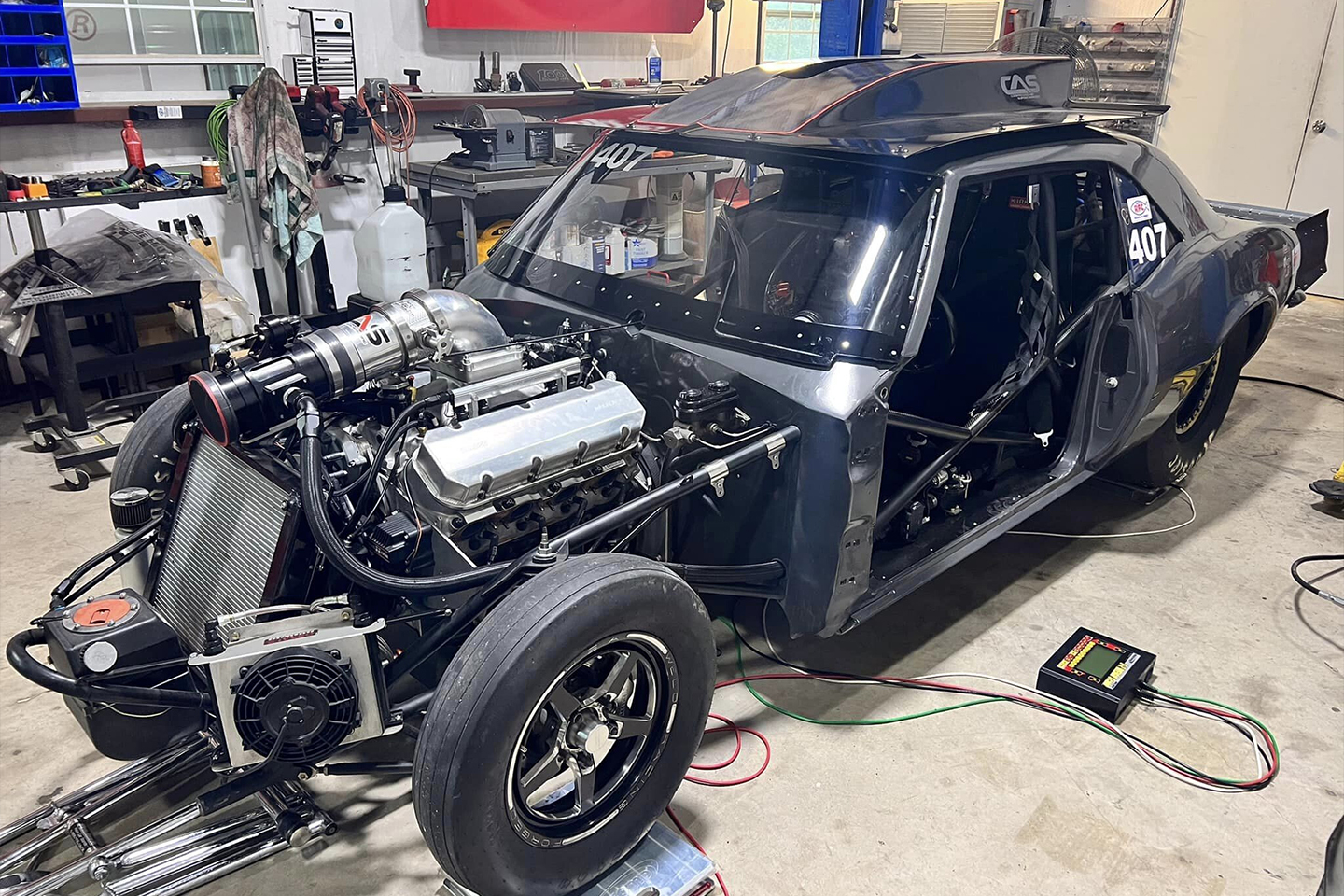
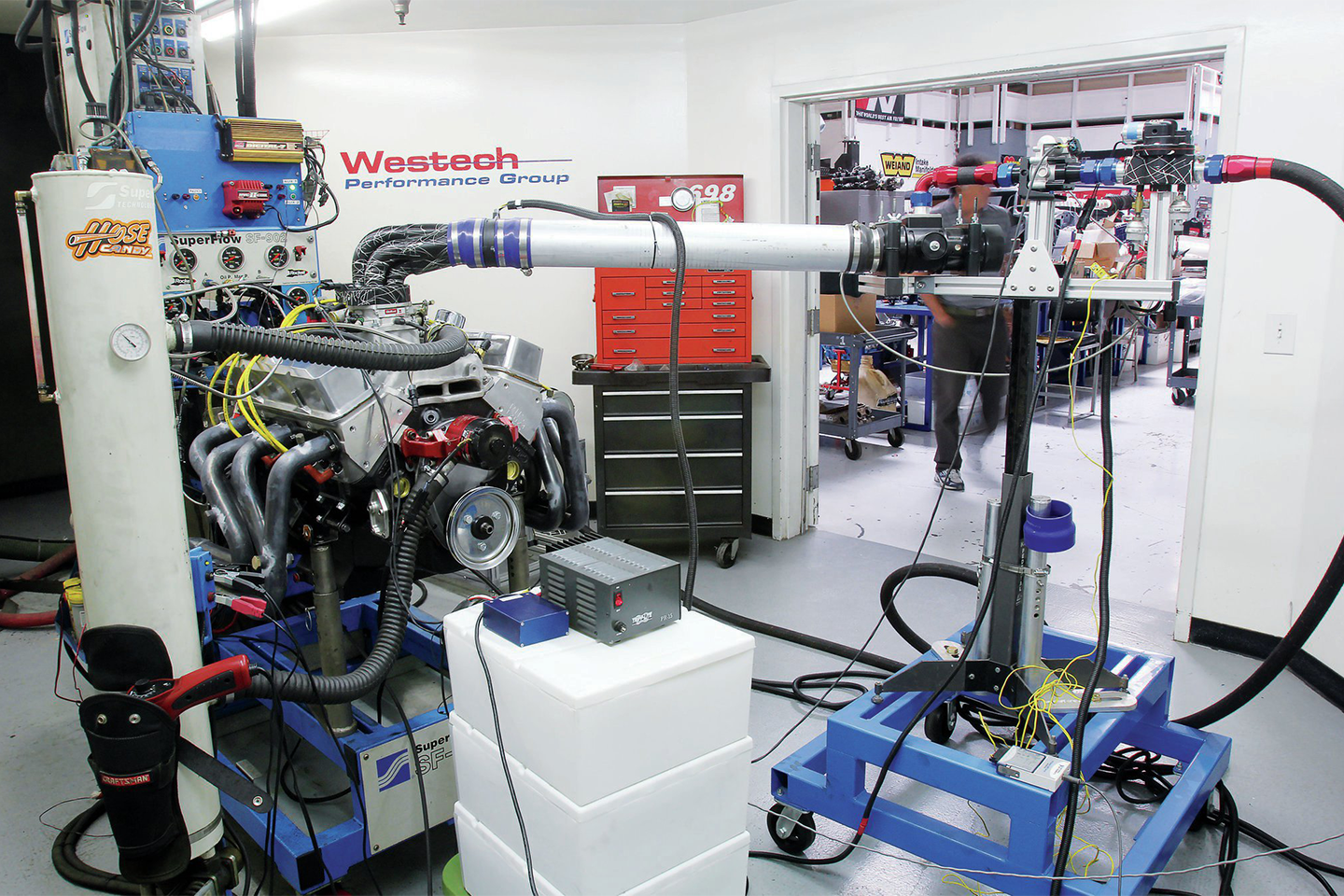
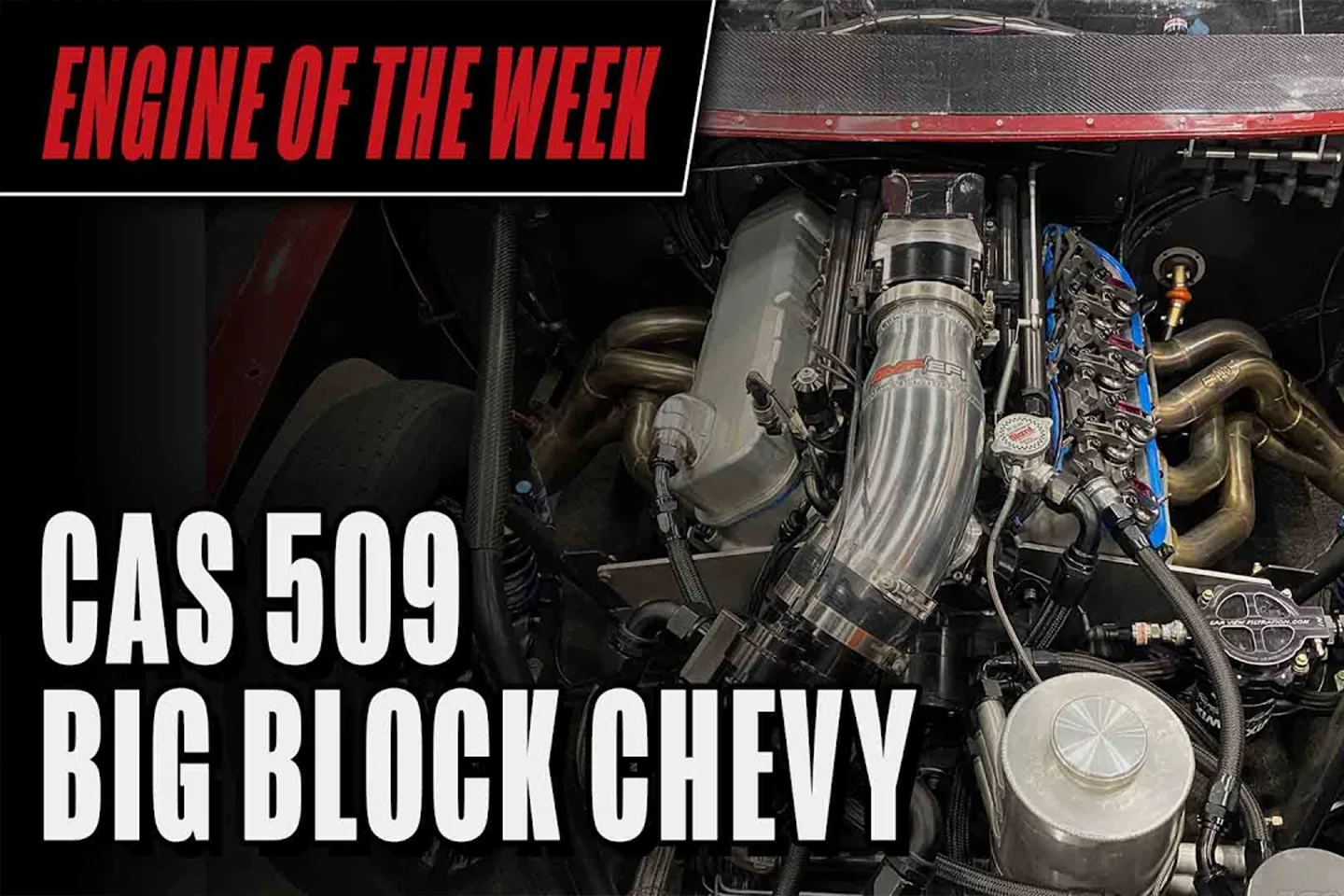
The CAS System

The information provided below should help you determine if Compressed Air Supercharging is right for you and your application.

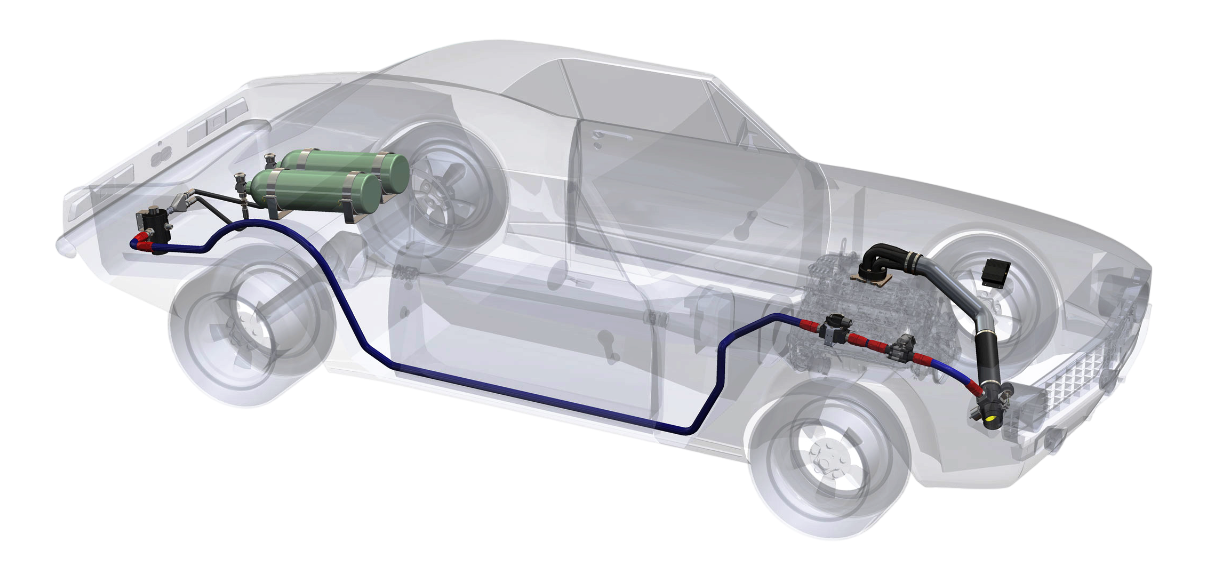
Air Storage Cylinders

High Pressure Hoses and Fittings

Mechanical Pressure Regulator

Medium Pressure Hose

Safety Shut-off Valve

Diffuser with Integral MAP Sensor (4150 Style Holleys only)

Controller (BCU)

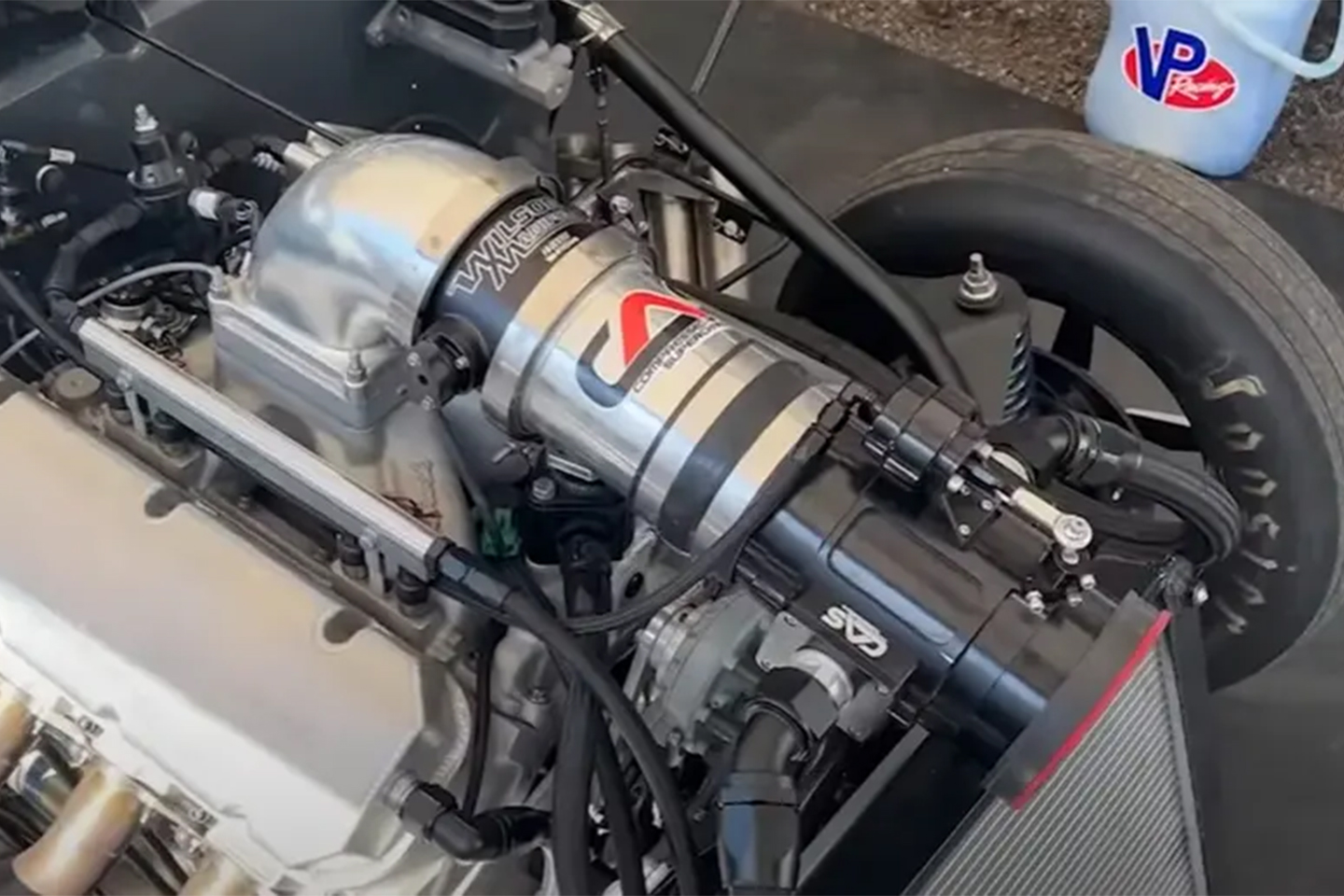
Ejector Assembly

Electronic Pressure Regulator (EPR)

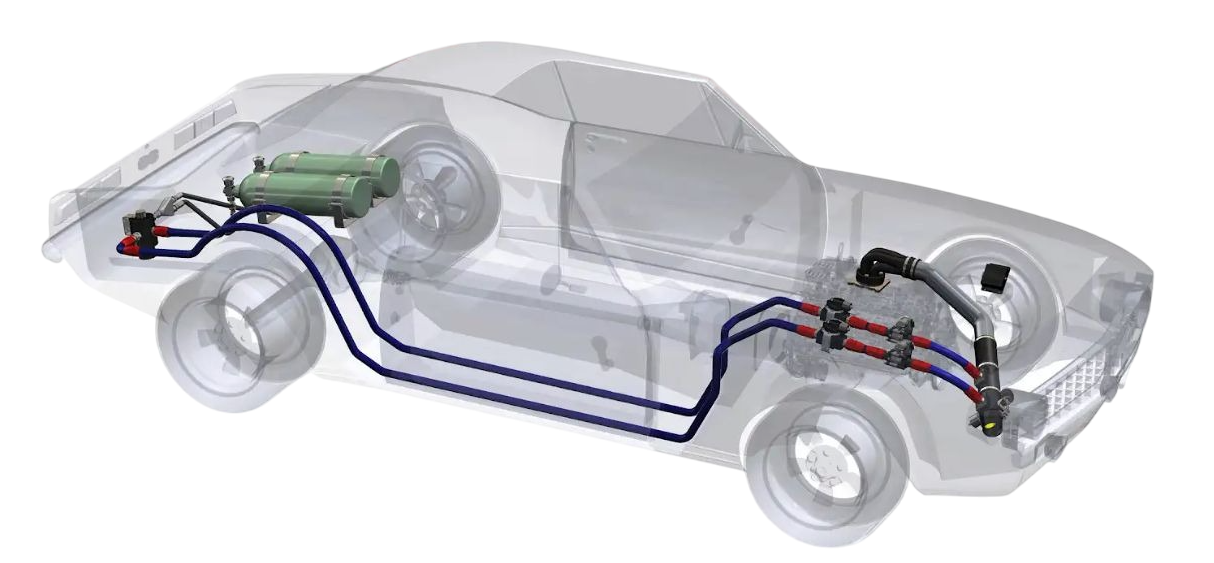
Carbon Fiber Cylinder 200scf

Kongsberg Hose (20k psi burst tested)

Regulator (dome controlled)

20an Boost Hose

Lockoff Valve (pressure shut off)

BCU Controller (drive by wire)

Ejector (air controller)

 EPR (electronic pressure regulator) drive by wire

Air Storage Cylinders

High Pressure Hoses and Fittings

Mechanical Pressure Regulator

Medium Pressure Hose

Safety Shut-off Valve

Diffuser with Integral MAP Sensor (4150 Style Holleys only)

Controller (BCU)

Ejector Assembly

Electronic Pressure Regulator (EPR)

Carbon Fiber Cylinder 200scf

Kongsberg Hose (20k psi burst tested)

Regulator (dome controlled)

20an Boost Hose

Lockoff Valve (pressure shut off)

BCU Controller (drive by wire)

Ejector (air controller)

 EPR (electronic pressure regulator) drive by wire

Compressed Air Supercharging (CAS) Overview

Historical Background

  • 1960s – First documented usage of the concept; an example is preserved in Don Garlits’ museum in Florida.
  • 1970s – Last well-known attempt by Mickey Thompson.
  • Challenges of early attempts:
    • Heavy steel cylinders with limited storage capacity
    • Industrial-grade air metering/delivery components (valves, regulators, etc.) not optimized for motorsports
    • Cumbersome, slow-reacting mechanical controls


After Thompson’s effort, no further documented development occurred until CAS began in 2002, combining technical expertise with proper funding.

General Concept The principle of CAS appears straightforward, which often fuels online speculation.
Reality: Regulating air from 3,300 psi down to 15–20 psi (gauge MAP levels) in a highly transient racing environment—while maintaining accuracy within ±0.1 psi—is extremely complex.

  • CAS components were designed, built, and tested specifically to meet this challenge.
  • Success lies in mastering the fine details.

Why CAS Succeeds Where Others Failed:

  • Use of lightweight composite air cylinders
  • Fast-acting electromechanical controls
  • Air metering and regulation equipment purpose-built for drag racing
  • Ability to maintain consistent flow rates as cylinders drain over a run

Development Personnel

Although two primary innovators drove the creation of CAS, the system required expertise from multiple disciplines:

  • Gas dynamics and fluid mechanics (regulation and metering)
  • Thermodynamics
  • Electromechanical design and validation
  • Closed-loop electronic control design and manufacturing

This collaboration ensured the system was executed correctly and reliably.

Nitrous Oxide Analogy

  • First documented use: WWI aircraft
  • Mainstream adoption: Late 1980s–1990s
  • Catalyst for adoption: Efforts of NOS, driven by the same team that later created CAS

Just as nitrous transitioned from experimental use to mainstream performance, CAS represents the next major leap in forced induction technology.”

CAS: Beyond the Track

Snowmobiles

01.

Unmatched throttle response and cold-air performance in icy terrain.

Drag Boats

02.

Cool, dense air = more power. CAS thrives even in extreme aquatic conditions

Tractor Pulls

03.

Massive power on demand. CAS delivers torque when the sled gets heavy.

Articles

Quick Contact

If you have any questions or need help, feel free to contact with our team.

©CAS, All Rights Reserved.

Website by Squeaky.co

Build Your 1700HP System

Name
How would you us to contact you
Agreement(Required)

Build Your 3000HP System

Name
How would you us to contact you
Agreement(Required)

Build Your System

Name
How would you us to contact you

Release of Liability & Waiver of Claims

Notice to Customer: This is a release of legal rights. By signing this document, you waive certain claims. Please read carefully.
This Release of Liability and Waiver Agreement (“Agreement”) is entered into by the undersigned customer (“Customer”) in favor of Compressed Air Supercharging, Inc. (“CAS” or the “Company”), including its officers, directors, employees, agents, affiliates, successors, and assigns.
CAS manufactures and distributes high-pressure air systems intended solely for off-road and racing use. CAS does not install or warrant the use of its systems and disclaims any use outside the intended purpose. Customer acknowledges that CAS systems are not for use in
street-legal vehicles or on public roads, and that any such use is undertaken solely at the Customer’s risk.

1. Assumption of Risk

CAS systems operate at extremely high pressures. Improper installation, modification, or use may result in catastrophic failure, fire, explosion, personal injury, or death.

Customer accepts responsibility for installation, integration, and operation of CAS products.

Customer acknowledges risks in high-performance and off-road driving, including collisions, rollovers, equipment failure, instability, and loss of control.

Risks may arise from activity, acts or omissions of others, mechanical issues, weather, or natural conditions.

Customer assumes all risks, including those arising from the Company’s ordinary negligence.

2. Waiver & Release of Liability

To the fullest extent permitted by Texas law, Customer releases CAS from all liability for claims, demands, losses, damages, or expenses—including bodily injury, property damage, illness, or death—arising from or related to purchase, installation, or use of CAS systems,
except where caused by gross negligence or intentional misconduct.

CAS makes no express or implied warranties, including merchantability or fitness for a particular purpose.

All products are sold ‘AS IS’ and are not certified for on-highway use.

CAS is not liable for use of compressed air or gases in unauthorized, illegal, or experimental ways.

CAS is not responsible for injuries, damage, or liability from aftermarket modifications or misuse.

3. Customer Responsibilities

Customer agrees to:
– Follow all written and verbal safety instructions.
– Use appropriate protective equipment.
– Refrain from reckless, impaired, or dangerous operation of vehicles with CAS products.

The Company is not responsible for any injury or damage caused by the Customer’s failure to follow instructions or use safety equipment.

4. Covenant Not to Sue; Indemnification

Customer agrees not to initiate or maintain lawsuits or claims against the Company or related parties for any loss, injury, or damage covered by this Agreement.
Customer indemnifies and holds harmless the Company for claims, liabilities, or expenses (including attorney fees) from misuse or breach of this Agreement by Customer or third parties.
This does not waive liability for gross negligence or intentional misconduct.

5. Compliance with Laws

Customer is responsible for compliance with all federal, state, and local laws, as well as rules of any track, course, or racing organization where CAS products are used.

6. Governing Law; Dispute Resolution

This Agreement is governed by the laws of the State of Texas. Disputes will be resolved in the courts of Burnet County, Texas.

7. Severability

If any provision is invalid or unenforceable, the remaining provisions remain in effect and will be interpreted to best effectuate the intent under Texas law.